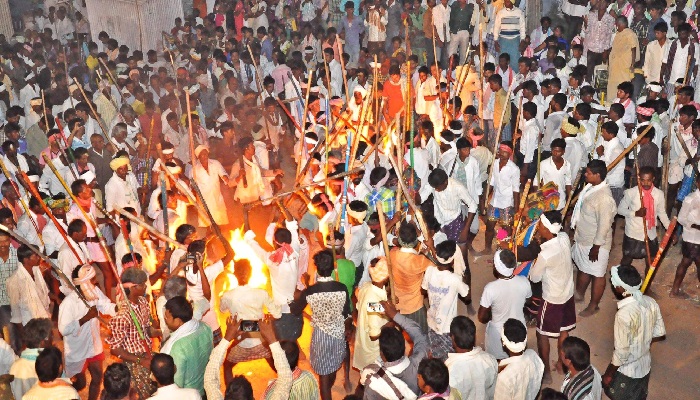
Ayodhya, with its rich cultural history, stands as a revered pilgrimage destination in India. Known for its association with Lord Rama, Ayodhya is dotted with ancient temples, ghats, and vibrant markets that offer glimpses into its illustrious past. Pilgrims and tourists alike are drawn to iconic sites like Ram Janmabhoomi and Hanuman Garhi. The Varanasi to Ayodhya distance is around 219 km, and it will take you close to 4.5 hours to reach.
Quick Facts
| Detail | Information |
| Distance from Varanasi to Ayodhya | 219 km |
| Total Time Taken | 4.5 hours |
| Primary Route | via NH-731 and NH-330 |
| Alternate Route | via NH-135A |
| Best Time to Travel | October to March |
| Approx. Cab Fare | ₹2600 |
| Varanasi Airport to Ayodhya distance | 196 km |
| Nearest Airport to Ayodhya | Maharishi Valmiki International Airport, Ayodhya Dham |
| Nearest Railway Station to Ayodhya | Ayodhya Dham Junction |
| Best Pit Stops on Primary Route | Sultanpur, Kurebhar |
| Best Pit Stops on the Alternate Route | Akbarpur, Faizabad |
Ayodhya, with its sacred significance tied to Lord Rama, attracts travellers for its serene atmosphere and ancient temples. The holy Sarayu River and the city’s rich cultural heritage make Ayodhya an alluring destination. Whether driven by religious devotion or historical curiosity, choosing Savaari for the trip ensures a comfortable and hassle-free experience, providing travellers the opportunity to delve into the timeless stories and vibrant traditions of this revered city.
To make the most of your Varanasi to Ayodhya road journey, consider hiring a taxi from Savaari. Savaari’s reliable taxi services ensure convenient and comfortable transportation, allowing visitors to seamlessly navigate the city’s spiritual landmarks and immerse themselves in the cultural heritage of Ayodhya.

Table of Contents
- Why travel from Varanasi to Ayodhya?
- Travelling from Varanasi to Ayodhya by Car
- Best time to take a road trip from Varanasi to Ayodhya by car
- Popular routes to travel from Varanasi to Ayodhya by road
- Other means of travelling
- Explore Ayodhya Like a Local: A Handy Guide
- Savaari recommends – Popular places to eat in Ayodhya
- Hotels and Resorts – Accommodation in Ayodhya
- Nearby road trips from Ayodhya
- FAQs
Why travel from Varanasi to Ayodhya?
Few journeys in India carry the kind of weight this one does. A Varanasi to Ayodhya road trip connects two cities that sit at the very heart of Hindu civilisation: Varanasi, where the ghats have absorbed centuries of prayer and ritual along the Ganga; and Ayodhya, the birthplace of Lord Rama, a city that has drawn pilgrims and seekers for millennia.
Ayodhya tourism has surged since the consecration of the Ram Janmabhoomi Mandir in January 2024. The Ram Mandir, Hanuman Garhi, Kanak Bhawan, and the Sarayu ghats: there’s a lot to take in, and the city now receives a scale of footfall that makes travel logistics genuinely worth thinking through.
The best way to travel from Varanasi to Ayodhya is whichever one gives you control over your own trip. Trains run between the two cities, and the Vande Bharat is genuinely fast, but you’re locked to a schedule and dropped at a station. A Savaari outstation cab from Varanasi picks you up wherever you’re starting from and takes you directly to Ayodhya on your terms.
For families with elderly members or children, for groups doing a combined Kashi-Ayodhya circuit, or for anyone who wants to stop at Jaunpur’s medieval mosques along the way, a trip to Ayodhya from Varanasi by cab is simply the most flexible option on the table.
Also, by opting for a car rental in Varanasi, you can explore the magical town of Varanasi thoroughly before heading to Ayodhya.
Travelling from Varanasi to Ayodhya by Cab
The drive clocks in at roughly 219 km via the primary route, though the actual starting point within Varanasi shifts that figure slightly. That’s one of the many advantages of booking Savaari’s Varanasi to Ayodhya taxi: the trip begins at your doorstep, whether that’s Assi Ghat, Cantonment, Sarnath, or somewhere in the middle of the city.
Once you leave the city limits and hit NH-731, the road opens up reasonably well. The route takes you through Shahganj and Sultanpur before the final approach to Ayodhya. The whole stretch, under normal conditions, takes a little over 4.5 hours. Add time for a proper stop or a meal break, and you’re looking at 5.5 to 6 hours comfortably.
The alternate route via NH-135A is worth considering if road quality is your top priority. It’s a little longer at around 223 km, but the expressway section itself is one of the best-maintained stretches of highway in Uttar Pradesh. The trade-off is that you see less of the countryside along the way.
Popular Routes from Varanasi to Ayodhya by Road
Route 1: Varanasi to Ayodhya via NH-731 and NH-330
| Varanasi to Ayodhya road distance | 219km |
| Travel Time | 4.5 hours |
| National Highways | NH-731 and NH-330 |
| Route | Varanasi → Sultanpur → Kurebhar → Ayodhya |
| Road Condition | NH-731, leaving Varanasi, is a decent two-lane highway that handles regular traffic well. Toward Sultanpur, the road stretches out and moves comfortably. The final approach into Ayodhya on NH-330 has been significantly improved in recent years, though near the city center, narrower lanes and pilgrims on foot mean you slow down in the last 10–15 km. Overall, this is a manageable drive at any time of year. |
Stopover Places along the way
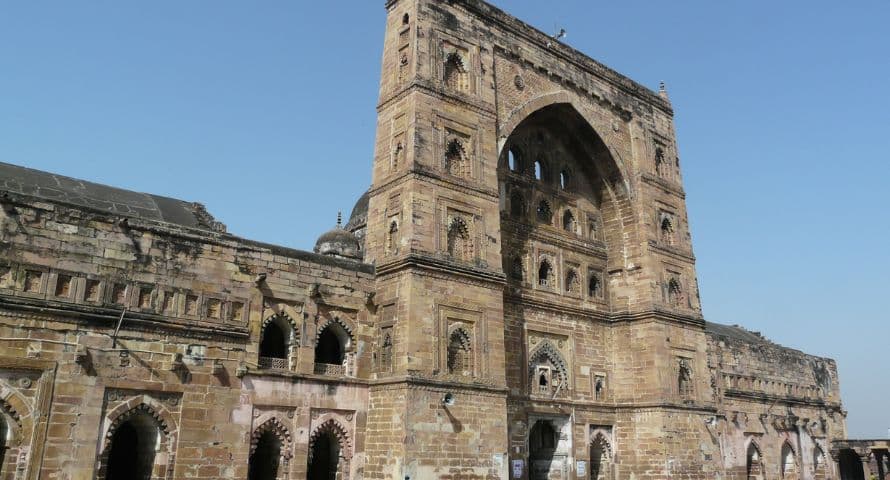
- Jama Masjid, Jaunpur: This is an iconic mosque with stunning architecture. The intricate details and historical significance make it a noteworthy stop for those interested in cultural and religious heritage.
- Sultanpur: Sitting on the banks of the Gomti River, Sultanpur traces its ancient name, Kushbhavanpur, back centuries. The Sultanpur Fort, Jama Masjid, and Chitragupt Dham temple on the Gomti riverfront reflect layers of history from successive North Indian kingdoms. But the town’s most singular draw is the Parijat Vriksh, a tree considered wish-fulfilling in Hindu mythology, believed to be a Kalp Vriksh described in ancient scriptures like the Mahabharata and the Puranas. Botanically identified as a baobab, a species native to sub-Saharan Africa, its presence on the banks of the Gomti makes it genuinely rare in the Indian subcontinent.
- Kurebhar: It isn’t a tourist destination in any conventional sense. There are no monuments or temples of note right on the route. What Kurebhar offers is a practical pause: a cluster of roadside stalls and dhabas where you can stretch your legs, have chai, and refuel before the final leg to Ayodhya.
Places to Eat on the way
- Sundae Restaurant, Sultanpur: A multi-cuisine vegetarian restaurant with a clean interior and reliable service. The paneer frankie and veg manchurian are the crowd favorites. It’s a practical lunch stop, especially for groups.
- Hotel Kyan Clark, Sultanpur: A genuinely surprising find for a Tier-3 UP town, it draws both in-house guests and walk-ins for its quality Indian food, sitting conveniently as a midway point between Lucknow and Varanasi. Good for a proper sit-down meal with clean facilities.
Route 2: Varanasi to Ayodhya via NH-135A
| Varanasi to Ayodhya Distance | 223 km |
| Travel Time | 5.5 houra |
| National Highways | NH – 135A |
| Route | Varanasi → Akbarpur → Faizabad → Ayodhya |
| Road Conditions | NH-135A itself is excellent, a properly maintained, high-speed, access-controlled highway. It’s among the newer expressways in UP, and the road surface reflects that. The caveat is that the local connector roads at both ends need a bit more care, especially after rain. That said, for drivers who prioritize road quality above all else, this route delivers. |
Stopover Places on the way
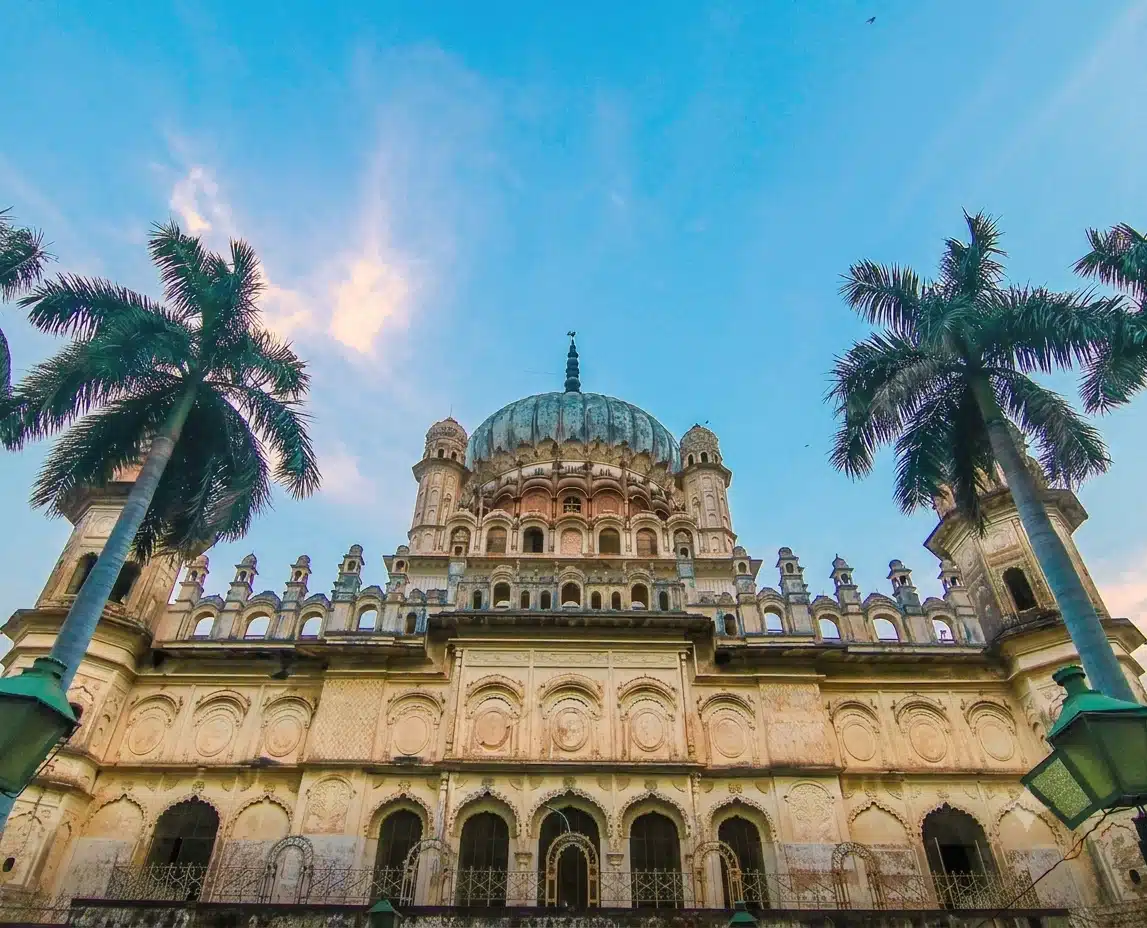
- Akbarpur: The administrative headquarters of Ambedkar Nagar district, sitting on the banks of the Tamsa River. According to the Ramayana, this is the site where King Dashratha accidentally shot Shravan Kumar. The spot is remembered as Shravan Kshetra, and the ashram of sage Shringi Rishi is also said to have been located here.
- Faizabad: Once the first capital of the Nawabs of Awadh before Lucknow took over, Faizabad flourished under Nawab Shuja-ud-Daula as a centre of art, architecture, and culture. Gulab Bari (the Garden of Roses, housing the tomb of Nawab Shuja-ud-Daula), the Bahu Begum ka Maqbara, and Guptar Ghat on the Saryu River are the main draws.
Places to Eat on this route
- Awadh Bhogjanalaya, Akbarpur: Known for the region’s typical North Indian cuisine rooted in Mughal and Awadhi cooking traditions (rotis, spiced gravies, and local sweets). A straightforward, home-style meal stop before the short final run into Ayodhya.
- Real Mannat Dhaba, Faizabad: A non-vegetarian-friendly dhaba on the Faizabad highway, praised for good food quality. Simple North Indian meals (dal, roti, chicken curry) in a no-frills setting.
Varanasi to Ayodhya Best Route
For most travelers, the NH-731 and NH-330 route is the right call. It’s shorter, more interesting, and has solid food and fuel infrastructure throughout. If road quality is your primary concern and you’re not interested in stopping along the way, the NH-135A route is worth the added distance.
Route Comparison Table
| Feature | NH-731 & NH-330 | NH-135A |
| Distance | 219 km | 223 km |
| Estimated Time | 4.5 hours | 5.5 hours |
| Road Quality | Good (mix of 2-lane and highway) | Very good (high-speed expressway) |
| Pit Stop Infrastructure | Well-serviced (Sultanpur) | Limited |
| Tolls | Moderate | Higher |
| Best For | Faster travel; sightseeing en route | Comfort-first; road quality priority |
| Recommendation | Primary route | Alternate route |
Best Time to Visit Ayodhya from Varanasi
If there’s one honest answer to when to travel to Ayodhya: October through March. That’s six months where the weather cooperates, and the roads are manageable.
Temperatures stay between 8°C and 25°C, skies are clear, and both the Ram Mandir and Saryu Ghat are pleasant to spend time at without rushing indoors. December and January are especially popular, which means cab fares and hotel rates climb. Book early.
Summer (April to June) is when most experienced travellers choose to stay away. The warmest Ayodhya temperature month regularly crosses 42–45°C, and outdoor activities (temple visits, ghats, parikramas) become physically exhausting by 9 in the morning.
Monsoon (July to September) brings the Ayodhya weather down to the 25–35°C range. Rainfall can be heavy and intermittent, and some roads see waterlogging, worth factoring in if you think this is the perfect Varanasi to Ayodhya road trip season.
October is the best time to visit Ayodhya if you’re looking for post-monsoon freshness and mild temperatures. If you can visit in October–November during the Diwali / Deepotsav celebrations week, that’s genuinely the most visually stunning time to be in Ayodhya.
Peak Season & Festival Dates
Two festival periods dominate the calendar for this route. Deepotsav in the Diwali season (October/November) is the single biggest crowd event; the government-organised diya lighting across 56 ghats of the Sarayu draws visitors from across India and abroad. Ram Navami (March/April, falling in the Chaitra month) is the other major pilgrimage spike, with Ayodhya receiving lakhs of devotees and the city decked in flags, flower garlands, and loudspeakers running bhajans around the clock.
Makar Sankranti (mid-January) and Kartik Purnima (October/November) also bring significant crowds to the ghats. During any of these periods, advance booking is not optional; it’s the difference between a cab that meets you at your doorstep in Varanasi and a scramble for transport at the last minute.
Other Means to Travel to Ayodhya from Varanasi
How to Reach Ayodhya by Train
Around 13 Varanasi to Ayodhya trains run between Varanasi Junction and Ayodhya Dham on any given day. The fastest is the Varanasi–Meerut City Vande Bharat Express (Train No. 22489), which departs Varanasi at 9:10 AM and reaches Ayodhya in approximately 2 hours 24 minutes, the quickest point-to-point option on the route.
Other express trains on the corridor take between 3 and 5 hours, depending on stops. Travellers can check schedules and book tickets through the official IRCTC portal.
Upon arrival at Ayodhya Dham Junction, travellers can book Savaari’s pre-arranged Ayodhya railway station cab for hassle-free onward travel.
| Train Number | Train Name | Departure Days | Departure Time | Arrival Time | Duration |
| 14853 | Marudhar Express | Every Monday, Wednesday, and Saturday | 5.15 pm | 8.48 pm | Around 3 hours and 33 minutes |
| 14213 | Bahraich Intercity Express | All days of the week | 2.00 pm | 5.50 pm | Around 3 hours and 50 minutes |
How to Reach Ayodhya by Flight
There are no direct flights from Varanasi to Ayodhya. The duration of the flight with at least one stop is around 7-14 hours and can cost between Rs. 16,000 and Rs. 27,000. Considering the distance of around 200 km, this can be very costly and time-consuming. However, if you want to take a flight, then these options are available. If you are arriving in Varanasi from another city by flight, then you can avail of a Savaari cab from Varanasi airport to reach Ayodhya as per your preference.
How to Reach Ayodhya by Bus
UPSRTC operates regular services from Varanasi to Ayodhya by bus, alongside private operators. Journey times typically range from 5 to 7 hours, depending on the route and number of stops.
Buses arrive at Ayodhya Bus Stand, located about 2 km from the Ram Mandir. Fares start at around ₹200–₹350 for non-AC buses, while AC and sleeper options are available at higher prices.
Cab vs Train vs Bus Comparison
| Mode | Duration | Approximate Cost | Flexibility | Best For |
| Cab (Savaari) | 4.5 hrs | ₹2600 | High (door to door) | Families, groups, pilgrims |
| Train | 2.5–5 hrs | ₹150–₹900+ | Low (fixed stations) | Solo travellers, budget trips |
| Bus | 5-7 hrs | ₹200-₹350 | Low | Budget trips |
Attractions in Ayodhya for sightseeing
Ayodhya, with its rich historical and cultural tapestry, unfolds a plethora of attractions that beckon visitors from all walks of life. The city boasts a harmonious blend of architectural marvels, serene riverbanks, and spiritual landmarks. As you embark on a journey of sightseeing in Ayodhya, you’ll encounter structures that echo tales of a bygone era and sacred spaces that resonate with spiritual energy. Here are some places to explore when in Ayodhya:
- Ram Janmabhoomi: The sacred site of Ram Janmabhoomi holds immense religious significance as the believed birthplace of Lord Rama. Pilgrims and visitors gather to witness the revered spot.
- Hanuman Garhi: Perched atop a hillock, Hanuman Garhi is a prominent temple dedicated to Lord Hanuman. The temple complex offers panoramic views of Ayodhya, and devotees flock here to seek the blessings of the mighty monkey god.
- Kanak Bhawan: This is a beautifully adorned temple dedicated to Lord Rama and Goddess Sita. The intricately carved interiors and vibrant frescoes depict scenes from the epic Ramayana, creating a serene and visually stunning atmosphere.
- Treta Ke Thakur: This is an ancient temple dedicated to Lord Rama, and it is believed to have been established by Rani Ahilyabai Holkar. The temple’s architecture and spiritual ambience attract devotees and history enthusiasts alike.
- Moti Mahal: Also known as the Pearl Palace, this is a historic structure that showcases a blend of Hindu and Mughal architectural styles. It is believed to have been built by Nawab Shuja-ud-Daula and serves as a testament to Ayodhya’s cultural heritage.
Once you are in Ayodhya, you can hire a local cab for sightseeing and exploring the nearby places.
Savaari’s customer recommends – popular places to eat in Ayodhya
Ayodhya, beyond its cultural and religious treasures, also boasts a delightful culinary scene with diverse options for discerning palates. Wander through the narrow lanes and discover local eateries that serve delectable regional specialities, offering a taste of the authentic flavours of Ayodhya. Whether you’re in the mood for traditional snacks or hearty meals, Ayodhya’s popular dining spots promise a satisfying and flavourful experience. Here are some popular places to eat in Ayodhya:
- Makan-Malai Restaurant – A vegetarian restaurant inside Ramprastha Hotel
- Café Bollyfood – A pure vegetarian restaurant offering North Indian, Chinese, and Italian cuisines
- M3 Cafe & Restaurant – A pure veg fine dine family restaurant
- Baba Bhojnalaya – A well-known North Indian vegetarian restaurant in Ayodhya
- Shri Kanak Sarkar Rasoi – Visit this place for a unique dining experience where food is served as prasad
Once you are in Ayodhya, you can hire a local cab for sightseeing and exploring the nearby places.
Hotels and resorts in Ayodhya
| Hotel Name | Address |
| The Ramayana Hotel | Address: Booth No 4, Manjha, Shahnewazpur, Ayodhya, Uttar Pradesh 224135 Phone: +91 63869 01835 |
| Royal Heritage Hotel & Resort | Address: NH -24 Lucknow Gorakhpur Highway Near Sarayu Bridge Ayodhya 271319, Ayodhya, Ayodhya, India, 271319Phone: +91 81888 29091 |
| Raghuvar Inn | Address: House no. 19, 3/136, Meerapur Rd, opposite Tulsi Udyan Road, behind Tiwari Mandir, Derabibi Nayaghat, Ayodhya, Uttar Pradesh 224001Phone: +91 88588 44100 |
| Park Inn by Radisson | Address: Plot No.4108, Fatehgunj Road – Civil Line Rd, Lajpat Nagar, Faizabad, Uttar Pradesh 224001Phone: +91 5278 310222 |
| The Ram Krishna Palace | Address: Charan paduka mandir, near Hanuman Garhi mandir, Dant Dhawan Kund, New Colony, Ayodhya, Uttar Pradesh 224123Phone: +91 89575 47779 |
Embarking on a road journey from Varanasi to Ayodhya has become exceptionally smooth with the Savaari mobile app! Whether it’s a one-way trip, a round-trip adventure, or an exploration of Ayodhya, our user-friendly app lets you reserve a cab with just a few taps.
Nearby road trips from Ayodhya
Discover the allure of nearby road trips from Ayodhya, where every route promises a blend of scenic landscapes and cultural gems. Embark on journeys that lead you through winding roads, charming villages, and verdant expanses, offering a refreshing escape from the city’s hustle. Here are some recommendations:
| Route | Distance | The best time to visit |
| Ayodhya to Lucknow | 137 km | October to March |
| Ayodhya to Raebareli | 121 km | November to March |
| Ayodhya to Gorakhpur | 133 km | October to December and February |
| Ayodhya to Barhni | 111 km | November to March |
| Ayodhya to Bahraich | 115 km | October to February |
Frequently Asked Questions
How far is Ayodhya from Varanasi by road?
The road distance from Varanasi to Ayodhya is approximately 219 km via the primary route (NH-731 and NH-330 through Sultanpur). An alternate route via NH-135A is around 223 km.
How long does it take to drive from Varanasi to Ayodhya?
Typically, 4.5 hours on the primary NH-731 & NH-330 route. During festival seasons (Ram Navami, Diwali), traffic builds significantly, and the journey can stretch to 6 hours or more. An early morning start is the best way to avoid delays.
What is the best route from Varanasi to Ayodhya?
The NH-731 and NH-330 route. It’s the shortest at 219 km, well-maintained, has good food and fuel stops along the way, and passes through Sultanpur, which is worth a brief detour if you have the time.
When is the best time to travel from Varanasi to Ayodhya?
October to March is ideal, with November through February being the most comfortable for sightseeing. October is particularly special if you can time it around Deepotsav (Diwali), and Ram Navami in March–April is worth the extra planning if you want to experience Ayodhya at its most spiritually charged.
What are the top places to visit on the Varanasi to Ayodhya route?
Sultanpur is good for a quick break, and the Sultanpur Bird Sanctuary nearby is worth a visit in winter. Closer to Ayodhya, the route opens into the Saryu plains. On the destination end: Ram Janmabhoomi (Ram Mandir), Hanuman Garhi, Kanak Bhawan, and the Saryu ghats for the evening aarti.FAQs
Top Routes to Explore from Varanasi
Last Updated on July 20, 2026 by V Subhadra