A symbol of Indian architecture and spirituality, the Padmanabhaswamy Temple in Trivandrum is dedicated to Lord Vishnu. From the magnificent paintings covering its walls to the regular holy ceremonies, the temple draws visitors from all over the world.
Apart from its religious importance, the temple provides a window into the rich culture of Kerala and its creative expression. Whether you’re a devout pilgrim or a curious traveller who loves a good legend, this Padmanabhaswamy Temple guide has everything you need to plan your visit.
From Padmanabhaswamy Temple timings and pooja schedules to the dress code and how to actually get there, we’ve got it all covered. Let’s dive in.
Quick Facts Table
| Detail | Information |
| Deity | Lord Vishnu and Goddess Lakshmi |
| Location | East Fort, Pazhavangadi, Thiruvananthapuram, Kerala |
| Opening Hours | 3:30 AM – 7:20 PM (with break between sessions) |
| Entry Fee | Free (General); ₹150–₹250 for Special/VIP Darshan |
| Best Time to Visit | October to February; weekday mornings to avoid crowds |
| Nearest Airport | Trivandrum International Airport (TRV) |
| Nearest Railway Station | Thiruvananthapuram Central Railway Station (TVC) |

Table of Contents
- About Padmanabhaswamy Temple
- Darshan Timings at Padmanabhaswamy Temple
- Things to Do Near Padmanabhaswamy Temple
- Padmanabhaswamy Temple: Dresscode
- Poojas and Sevas at Padmanabhaswamy Temple
- Padmanabhaswamy Temple: Entry Fees and Pooja Charges
- Festivals Celebrated at Padmanabhaswamy Temple
- Other Places to Visit Near Padmanabhaswamy Temple
- Places to Eat Near Padmanabhaswamy Temple
- How to Plan a Trip to Padmanabhaswamy Temple?
- Hotels and Resorts Near Padmanabhaswamy Temple
- Nearby Road Trips from Padmanabhaswamy Temple
- Useful Links
About Padmanabhaswamy Temple: Why It’s Unlike Any Other

India has thousands of temples. But the history of Padmanabhaswamy Temple makes this one stand in a league of its own. This temple has been referenced in ancient Tamil Sangam literature dating back to 500 BC, described even then as a “Golden Temple.” That’s over 2,500 years of continuous reverence.
Nestled in the heart of Thiruvananthapuram (the city’s very name translates to “The Sacred Abode of Lord Anantha”), this Lord Vishnu temple is one of the 108 Divya Desams, the holiest Vaishnava shrines in India. For centuries, it was under the guardianship of the royal Travancore family, and the titular Maharaja still serves as the temple’s trustee today.
The architecture is a head-turner, too. It’s a gorgeous fusion of Kerala’s traditional style and the Dravidian architecture common in neighbouring Tamil Nadu, complete with intricate carvings, a towering gopuram (gateway tower), and the iconic Methan Mani clock tower.
The Legend of Lord Vishnu’s Ananthasayanam Posture
Source: Medium
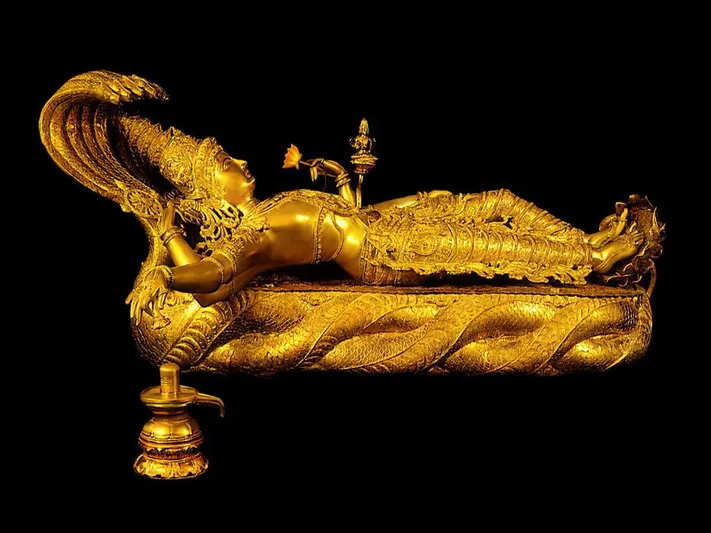
According to ancient palm-leaf records and the “Ananthasayana Mahatmya,” a sage named Divakara Muni Vilwamangalam was performing his penance here. One day, a curious orphan child came to him, and the sage took him in.
But when the sage’s patience ran thin, and he scolded the child, the boy disappeared into the forest. The sage, realising the child was actually Lord Vishnu himself, chased him and found him near a mahua tree that then fell and transformed into the cosmic form of Lord Vishnu reclining on the thousand-hooded serpent Adisheshan.
This is the Ananthasayanam posture: “Anantha” meaning infinite and “Shayanam” meaning lying down. The reclining idol of Lord Vishnu is so enormous that you literally have to look through three separate doorways (called sreekovil doors) to see the full deity. On his right hand lies a Shiva linga; beside him are his consorts, Sridevi (goddess of prosperity) and Bhudevi (goddess of earth); and from his navel blooms a lotus upon which Lord Brahma sits.

History of Padmanabhaswamy Temple
The history of Padmanabhaswamy Temple is closely linked to Trivandrum’s past. Early settlements in the Trivandrum region flourished on trade, with nearby Poovar considered an ancient port connected to Greece and Rome. The temple itself was the spiritual and political hub of Travancore, with rulers governing in the name of its presiding deity.
This distinctive relationship significantly influenced the city’s development, as evidenced by the numerous monuments and palaces constructed. Beyond spirituality, the temple’s impact is evident in the neighbourhood’s cultural and economic development.
The Mysterious Vault B: What’s Inside?
The temple has at least six known underground vaults (designated A through F). In 2011, Vaults A, C, D, E, and F were opened on Supreme Court orders and revealed unimaginable riches: gold thrones, diamond necklaces, golden coconut shells, gold coins from 200 BC, jewelled crowns, and artefacts spanning multiple ancient dynasties, including the Cheras, Pandyas, Cholas, and even Roman-era pieces.
But the Vault B mystery still persists; it has not been officially opened since at least the 1880s. In 2012, an official attempt was made; investigators got through an iron grille and a wooden door, but hit an iron door that wouldn’t budge.
The vault’s door is carved with two enormous cobras, widely seen as a divine warning. Legends claim it’s sealed by a Vedic sound vibration that can only be reversed by a sadhu who knows the “Garuda Mantra.”
Best Time to Visit Padmanabhaswamy Temple
The best time to visit Padmanabhaswamy Temple is the months between October and February, when the temperatures are pleasant, and you can visit the temple premises in the cooler, drier weather. Kerala’s vibrant vegetation, brought on by the post-monsoon season, also provides an appealing backdrop for your religious visit.
However, the Padmanabhaswamy Temple invites tourists year-round. Remember to check the temple’s festival schedule since certain months may coincide with lively festivals, enriching your cultural experience.
Lesser–known Facts About Padmanabhaswamy Temple
- The nearby Thiruvallam Parasurama Temple marks the spot where Parasurama, Vishnu’s sixth incarnation, determined Kerala’s southern boundary.
- The central deity of Vishnu is composed of 12,008 saligrams, which are fossilised shells from the Gandaki River in Nepal.
- The deity is preserved using a unique Ayurvedic mixture called “Katusarkara yogam.”
Padmanabhaswamy Temple Timings & Pooja Schedule
If there’s one thing you absolutely need to sort before you go, it’s the Padmanabhaswamy Temple timings. The temple reserves certain times for visitors to worship and see Lord Vishnu in his magnificent form.
Here’s a breakdown of the darshan timings at Padmanabhaswamy Temple:
| Darshan Type | Timings |
| Nirmalya Darshan | 3:30 AM – 4:45 AM |
| Special Darshan | 6:30 AM – 7:00 AM |
| General Darshan | 8:30 AM – 10:00 AM |
| Midday Darshan | 11:45 AM – 12:00 PM |
| Evening Darshan | 5:00 PM – 6:15 PM |
| Extended Evening Darshan | 6:45 PM – 7:20 PM |
| VIP Darshan Slot | 8:30 PM – 9:00 PM |
Special Pooja Timings & Navaratri Schedule
For those who want a deeper spiritual experience, the temple performs several poojas throughout the day. Below is an approximate schedule of the key rituals:
| Pooja Name | Approximate Timing |
| Usha Pooja (Dawn Worship) | 5:30 AM |
| Nirmalya Darshan Pooja | 3:30 AM |
| Pantheeradi Pooja (Sunrise) | ~6:00 AM |
| Deeparadhana (Lamp Offering) | Morning & Evening |
| Athazha Pooja (Night Offering) | ~8:00 PM – 9:00 PM |
Note: Senior citizens are generally given priority in the queue. It’s advisable to reach the temple early and inform the staff or approach the special assistance counter near the main entrance.
Dress Code & Entry Rules: What You Must Know
Maintaining a modest and uniform dress code helps the Padmanabhaswamy Temple preserve its religious sanctity and traditional customs. Visitors entering the temple grounds must follow this dress etiquette:
Dress Code for Men
- Mandatory: Traditional dhoti (mundu), ideally white, paired with or without an angavastram (upper cloth)
- Not allowed: Shirts, T-shirts, pants, jeans, shorts, lungis
A bare upper body is the norm for men during darshan. Rental dhotis are available just outside the temple at very affordable rates.
Dress Code for Women
- Mandatory: Saree, half-saree (pavada davani), or churidar/salwar kameez with dupatta
- Not allowed: Western wear, jeans, shorts
Sleeveless is not allowed in Padmanabhaswamy Temple. Cover your shoulders and arms. Girls under twelve years of age have the choice to dress in gowns. Rental sarees are also available near the temple entrance if needed.
Items Not Allowed Inside
- Mobile phones and cameras (strictly prohibited; lockers available near the entrance)
- Leather items (belts, wallets, bags)
- Footwear (remove before entering; designated shoe racks available outside)
Top Things to Do at Padmanabhaswamy Temple
If you really want to soak in the spiritual atmosphere and understand this place at a deeper level, here are the rituals at Padmanabhaswamy Temple and experiences you absolutely shouldn’t miss:
Attend the Morning Usha Pooja (5:30 AM)
The Usha Pooja at 5:30 AM is widely considered the most sacred ritual of the day. As evident from the Usha Pooja timings, it’s the pre-dawn offering to Lord Padmanabhaswamy. The peace of the early morning hours, combined with the proximity to the deity during this slot, is something long-time devotees will tell you is irreplaceable.
Visit the Ottakal Mandapam
The Ottakal Mandapam is the sacred inner corridor platform (a single granite slab) from which devotees get their view of the reclining deity through the three doorways. You’ll see the deity’s head, torso, and feet visible through three separate doorways, each revealing a different aspect of the cosmic form.
Explore the Temple Museum
Right next to the temple is the temple museum (also called the Sree Padmanabhaswamy Temple Museum or sometimes referenced near the Kuthiramalika Palace area), which houses a remarkable collection of royal artefacts, ancient coins, sculptures, and manuscripts related to the temple’s history and the Travancore royal family. The painting museum nearby (often called the Puthenmalika or Kuthiramalika Palace Museum) is an absolute gem too.
Entry Fee, Ticket Booking & Photography Rules
Visiting the Padmanabhaswamy Temple requires specific admission fees and levies for certain poojas and ceremonies. Here’s a breakdown of the entry fees and pooja charges at this revered shrine:
| Ticket Type | Price |
| General Darshan | Free |
| Special Darshan | ₹150 |
| Special Darshan + Prasadam | ₹180 |
| VIP Darshan (for 2) + Pooja Thali | ₹250 |
| Nirmalyam to Deeparadhana | ₹3,000 |
| Nirmalyam to Usha Pooja | ₹4,000 |
| Nirmalyam to Pantheeradi | ₹5,000 |
| Half-Day Pooja | ₹12,000 |
You can book VIP and Special Darshan tickets in advance here.
Photography rules: No photography is allowed anywhere inside the temple complex. Leave your phone and camera at the locker counter before entering. Lockers are available and affordable near the entrance.
Poojas and Sevas at Padmanabhaswamy Temple
Offering pooja or obeisance at the Padmanabhaswamy Temple comes with a deep spiritual encounter. The temple provides its visitors with several ceremonies and pooja services to show their devotion:
| Pooja/Seva Name | Significance |
| Abhishekam | A sacred ritual, where the deity is bathed with holy water, milk, and other auspicious substances. |
| Archana | Devotees recite the 108 names of Lord Padmanabha—fostering a deeper connection with the deity. |
| Udayasthamana Pooja | A comprehensive full-day ritual involving multiple offerings and prayers to the Lord. |
| Palpayasam Nivedyam | An offering of a sweet milk-based dessert to Lord Padmanabha—symbolizing devotion and gratitude. |
Although the temple itself is the major draw, here is a list of things to do near Padmanabhaswamy Temple to make the most of your time:
- Visit Heritage Sites: Explore Trivandrum’s heritage with visits to Kanakakunnu Palace and Karikkakom Chamundi Devi Temple. The palace hosts cultural events, while the 600-year-old temple honors three incarnations of Goddess Chamundi. These historical sites offer insights into local religious traditions.
- Go Museum Hopping: Delve into Trivandrum’s rich history and art by visiting the Napier Museum and Sunil’s Wax Museum.
- Shop Your Heart Out: Experience the vibrant Chalai Market, a bustling shopping hub in Trivandrum. Open 24 hours, it offers a wide range of products, from fresh produce to traditional crafts. Its lively atmosphere and diverse stalls make it a must-visit for shoppers, cultural enthusiasts, and photographers.
- Go for a Nature Drives: Enjoy a peaceful nature drive to Neyyar Dam, 30 kilometers from Trivandrum. Nestled in the Western Ghats foothills, it offers stunning views and opportunities for boating, picnicking, and fishing. The welcoming locals and scenic beauty make it a perfect getaway from city life.
Festivals Celebrated at Padmanabhaswamy Temple
Source: Times of India
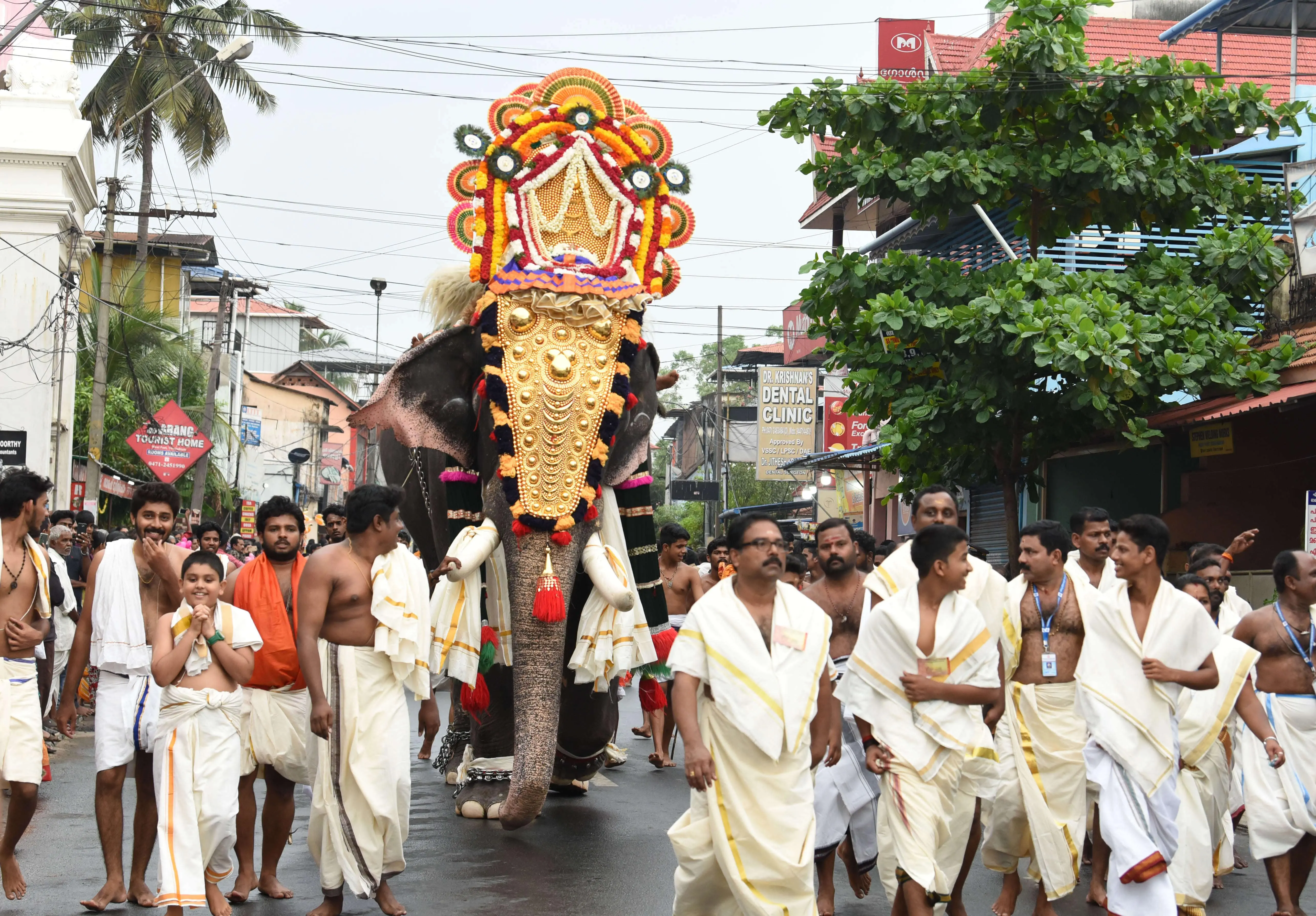
Thousands of pilgrims attend the festivals celebrated at Padmanabhaswamy Temple, including:
- Painkuni Festival: This ten-day festival starts with the kodiyettu (flag hoisting) ceremony and runs with special rituals every day. On the ninth day, the head of the Travancore Royal Family conducts the palli vetta (royal hunt) ceremony. The aarattu procession to Shanghumugham Beach for the idol immersion marks the festival’s end.
- Alpasi Thiruvonam: This celebration honors Lord Padmanabhaswamy’s arrival before the wise Divakara Muni. It is celebrated in the Malayalam month of Alpasi and is the main annual festival of the temple.
- Karthika Deepam: Hosted in November and December, this celebration involves burning lamps surrounding the temple. It is a very important festival for certain sections of Hindu Tamils and Keralites and falls with a full moon in the Kartika constellation.
- Panguni Uthiram: Celebrated in March–April, this event commemorates Lord Padmanabhaswamy’s wedding anniversary with his consorts, Sridevi and Bhudevi. Special decorations and complex ceremonies bring the temple alive. Devotees pray for marital harmony, domestic bliss, and wealth.
- Aadi Pooram: Celebrated in July–August, this festival honors the birthday of the temple’s main deity, Lord Padmanabhaswamy. Grand pujas, bhajans, and especially abhishekams, define this happy event. Lights and flowers cover the temple as visitors swarm to worship and ask divine favors.
Other Places to Visit Near Padmanabhaswamy Temple
Beyond the temple, nearby tourist attractions in Trivandrum allow guests to discover the city’s rich cultural legacy and natural beauty. Here are some notable places to visit near Padmanabhaswamy Temple:
Aazhimala underground Shiva Temple
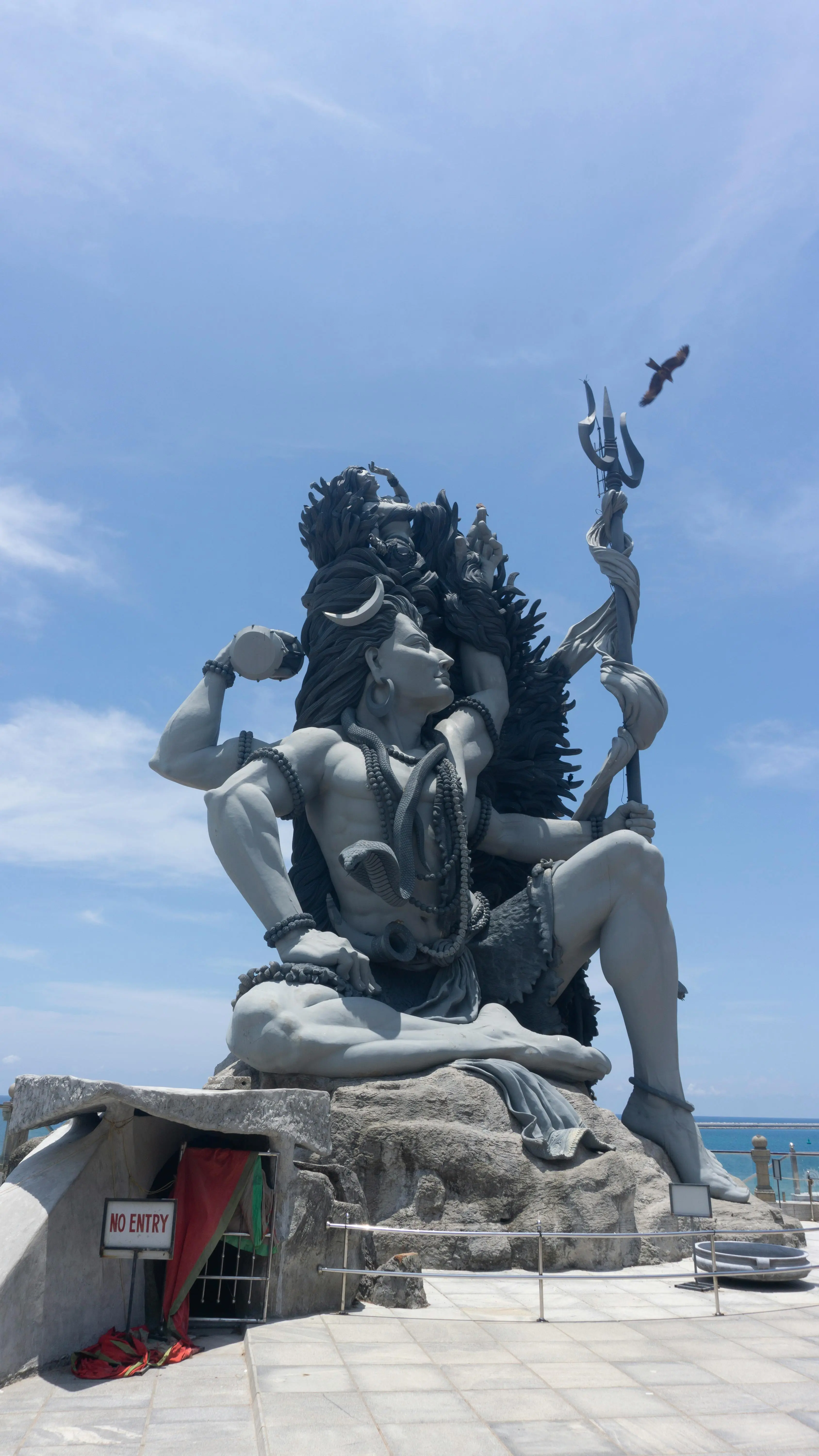
Located near Vizhinjam in Thiruvananthapuram, this sacred Shiva temple is renowned for its 58-feet-tall Gangadhareshwara idol and temple architecture that reflects the style of temples in Tamil Nadu. The gopuram of this temple showcases the idols of Hanuman, Vishnu, Karthikeya, Ganesha, and Ayyapa. Another underground temple has been recently opened beneath this towering statue, adorned with sculptures of Ardhanareeshwara, Ganapati, and Kartikeya sitting on a peacock.
- Entry Fee: Free for the main temple. For cave and Shiva statue – INR 100
- Timings: 5:00 AM–12:00 PM; 4:00 PM-8:00 PM
- Open Days: Everyday
Napier Museum
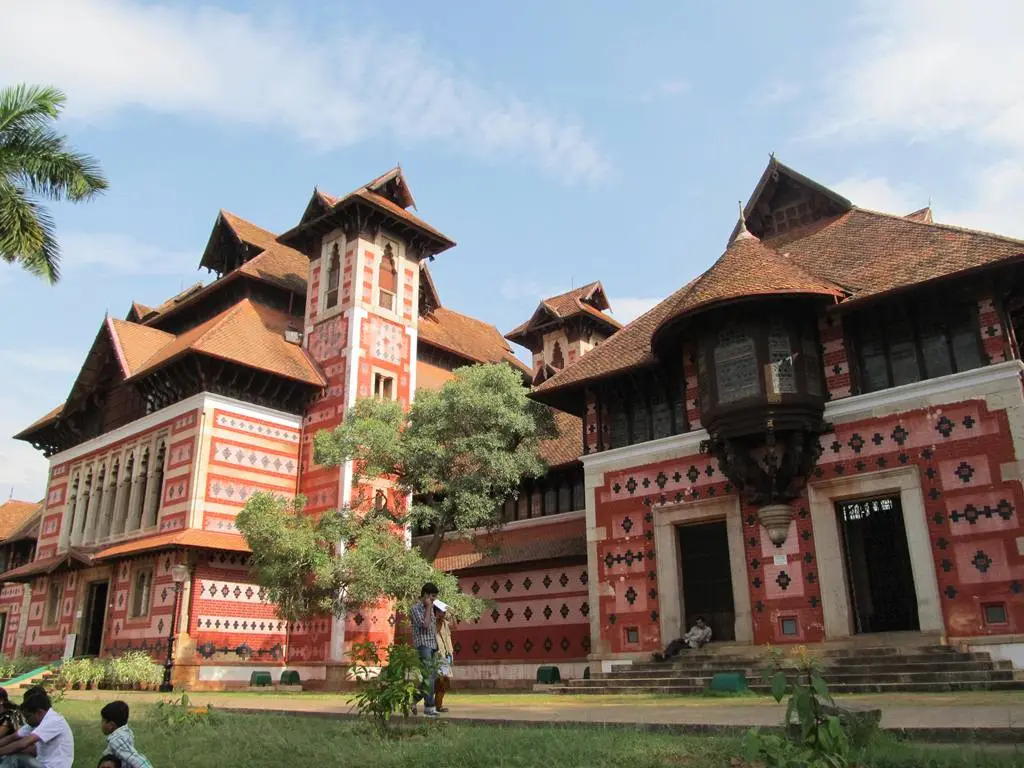
The museum is home to an impressive collection of archaeological relics, including bronze idols, old jewelry, and delicate ivory sculptures. It also features unique relics spanning millennia, Javanese shadow-play puppets, and temple chariot designs.
- Entry Fee: INR 20 for adults, INR 10 for children
- Timings: 10:00 AM–4:45 PM
- Open Days: Closed on Monday and Wednesday
Indian Coffee House
This is a historic café with fourteen outlets around Trivandrum. It is known for its nostalgic red-bricked interiors and ethnic-uniformed servers. A perfect spot for social gatherings.
- Entry Fee: No entry fee
- Timings: 7:00 AM–9:30 PM
- Open Days: Everyday
Neyyar Dam
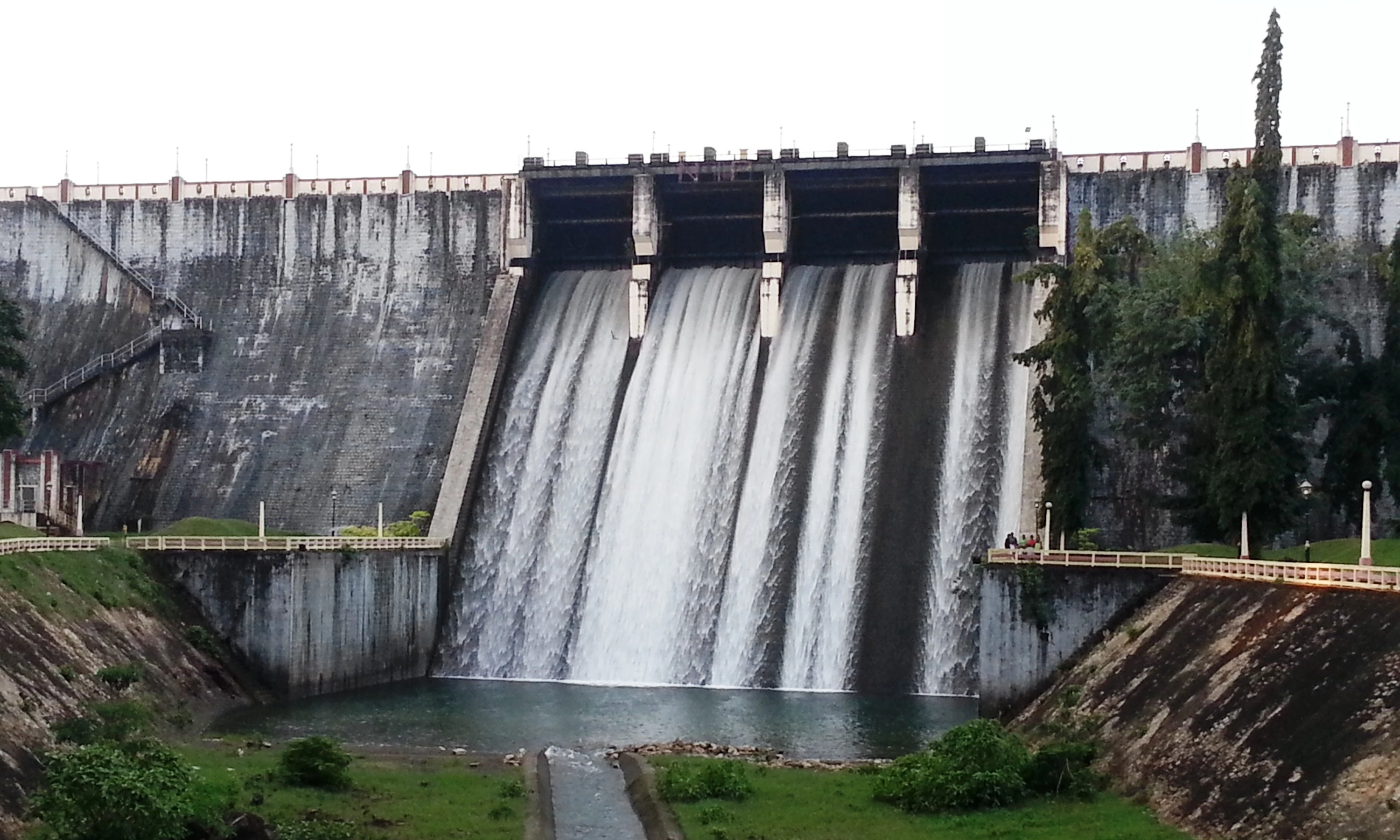
Located 30 kilometers from town in the Western Ghats foothills, it offers amazing views, boating, and fishing. The warm hospitality of the locals enhances its charm.
- Entry Fee: INR 250 for adults
- Timings: 9:00 AM–6:00 PM
- Open Days: Everyday
Chalai Market
A bustling market ideal for shopping enthusiasts, Chalai Market offers a wide range of products and a lively atmosphere. With its gorgeous street food, exploring the market is one of the best things to do in Trivandrum at night.
- Entry Fee: Free
- Timings: Open 24 hours
- Open Days: Everyday (some shops closed on Sunday)
Sunil’s Wax Museum
Opened in 2005, this museum features wax statues of famous personalities like Rajnikanth, Sachin Tendulkar, and Mahatma Gandhi. It is a popular spot for photo ops with celebrity likenesses.
- Entry Fee: INR 200 for adults, free for children
- Timings: 9:00 AM–9:30 PM
- Open Days: Everyday
Trivandrum Zoo
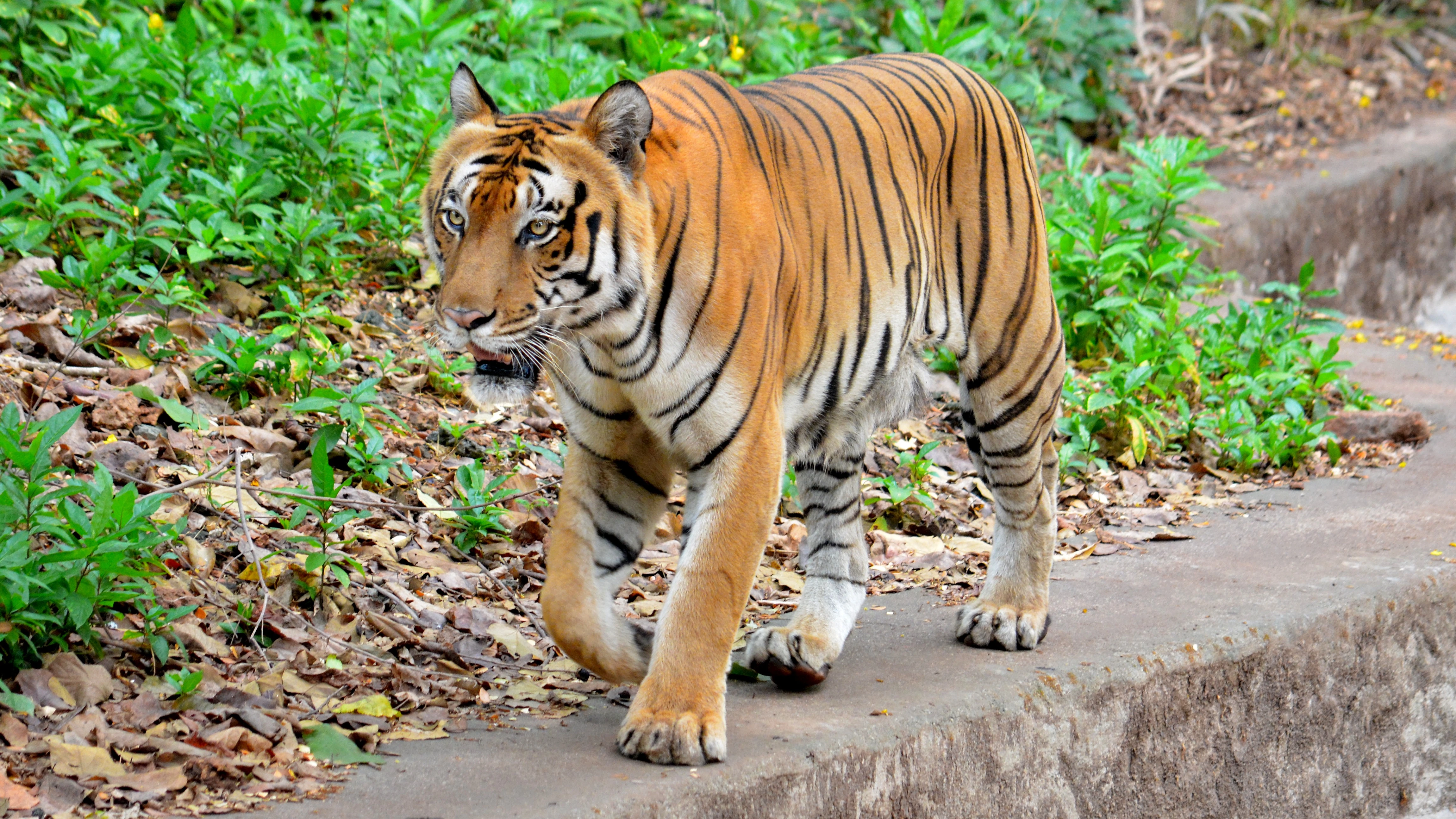
One of India’s oldest and best-maintained zoos, Trivandrum Zoo is set amidst protected, lush forested lands. It is home to a variety of exotic and native species, including lions, tigers, elephants, and reptiles.
- Entry Fee: INR 20 per person (Age above 12), INR 5 per person (Age below 12), INR 150 for car parking
- Timings: 9:00 AM–5:15 PM
- Open Days: 6 days a week, except Monday
Kanakakunnu Palace
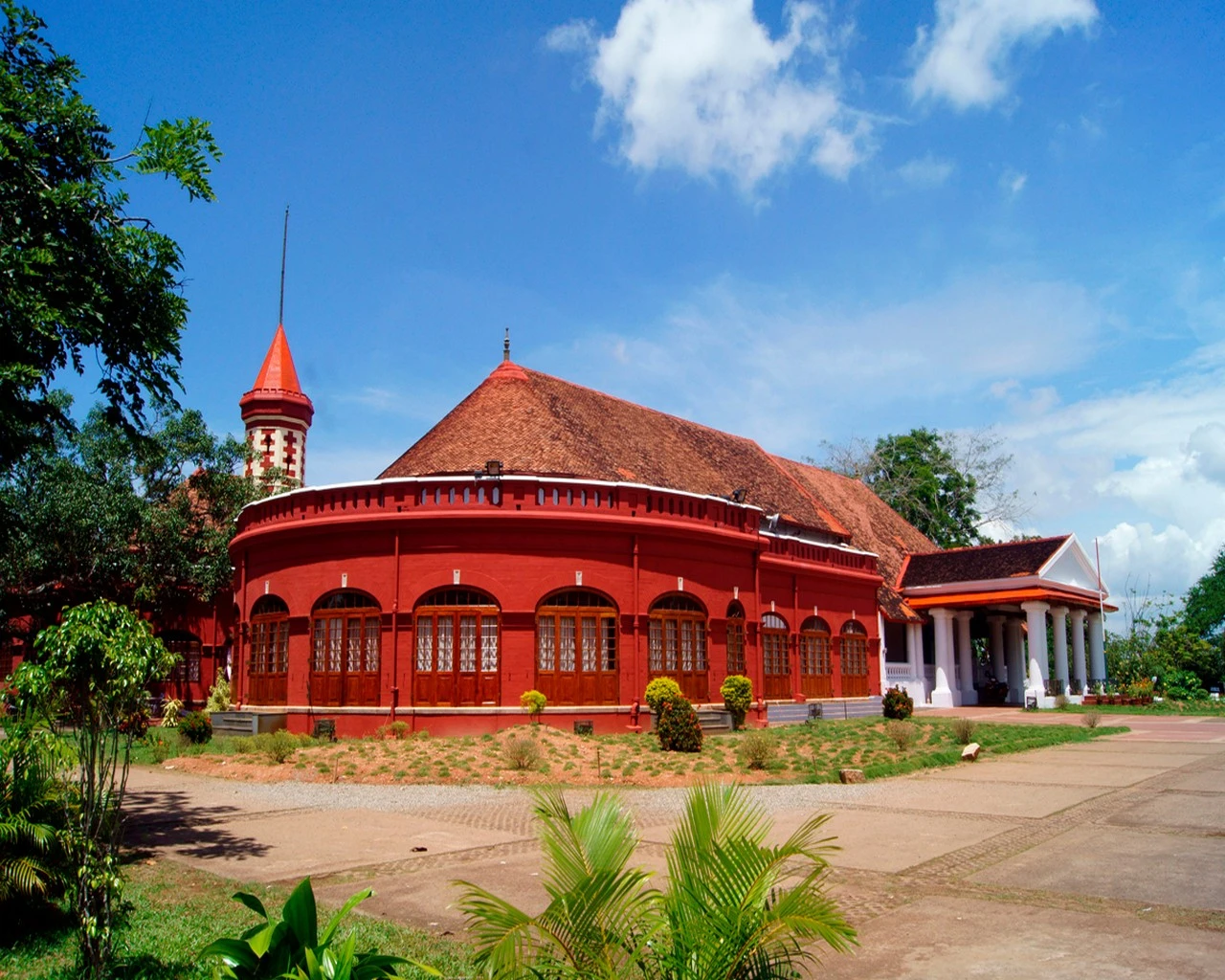
This is a grand palace built during the reign of the Travancore King Sree Moolam Thirunal. Its architecture blends colonial and traditional Kerala structural elements. It is now a cultural hub, hosting various events and exhibitions.
- Entry Fee: No entry fee
- Timings: 10:00 AM–9:00 PM
- Open Days: 6 days a week, except Monday
The Observatory
Simply known as “The Observatory,” it is situated 60 meters above sea level and offers panoramic views of Trivandrum. Established in 1837, it is now part of the University of Kerala’s Physics Department and is equipped with modern amenities like an 11-inch telescope and a CCD camera.
- Entry Fee: INR 10 for adults, INR 5 for children
- Timings: 9:00 AM–5:00 PM
- Open Days: 6 days a week, except Sunday
Karikkakom Chamundi Devi Temple
Karikkakom Chamundi Devi Temple is a 600-year-old temple dedicated to all three incarnations of Goddess Chamundi: Maha Chamundi, Rakhta Chamundi, and Bala Chamundi. Located in lush, sacred grasslands, it offers a glimpse into the region’s spiritual traditions, architectural styles, and natural beauty.
- Entry Fee: No entry fee
- Timings: 5:00 AM–12:00 PM; 4:30 PM–8:00 PM
- Open Days: 7 days a week
Places to Eat Near Padmanabhaswamy Temple
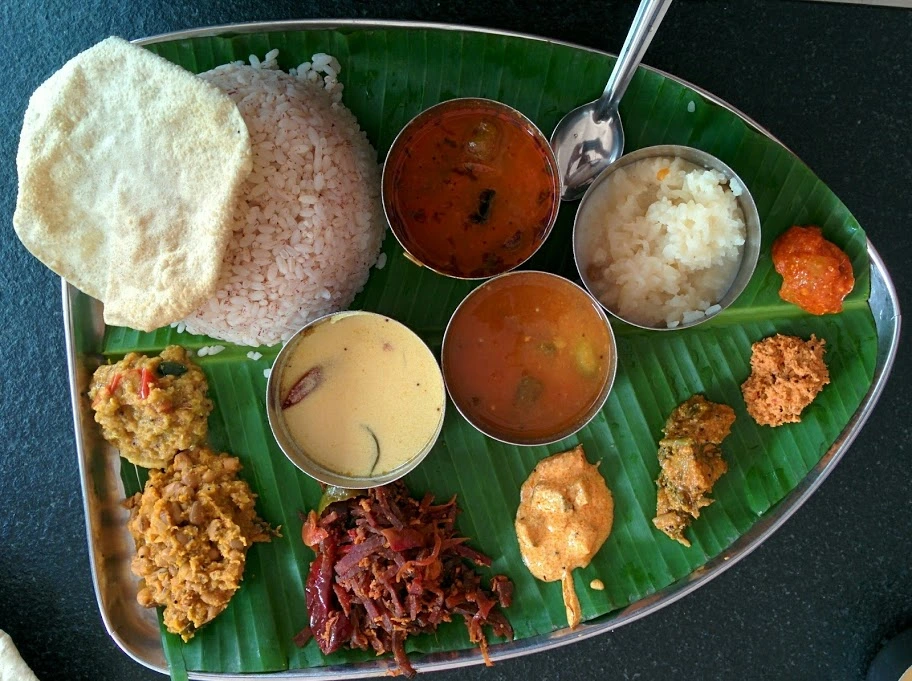
Exploring the local culinary scene in Trivandrum may be rather fun. From classic South Indian food to upscale international cuisine, Trivandrum has various places to eat near Padmanabhaswamy Temple:
- Ananda Bhavan: There are many of these well-known restaurant chains in Trivandrum, including ones in Palayam and Statue Junction. Ananda Bhavan is renowned for its South Indian food and fast service.
- Hotel Annapoorna: It is a prominent brand in Trivandrum’s eating scene, with multiple locations throughout the city. It is renowned for its varied South Indian cuisine, including many vegetarian and vegan choices, which suit various dietary tastes.
- Ariya Nivaas: Along with accommodation, this vegetarian hotel and restaurant provides a comfortable dining environment. Ariya Nivaas serves an extensive selection of South Indian vegetarian and vegan dishes in both air-conditioned and non-air-conditioned dining areas.
- Villa Maya: Villa Maya offers a unique mix of history and cuisine for a more elegant dining experience. This restaurant highlights food inspired by Kerala’s spice trade out of a refurbished 18th-century royal home. Villa Maya offers a refined setting with indoor and patio seats, perfect for guests wishing to indulge in a memorable lunch.
How to Plan a Trip to Padmanabhaswamy Temple?
Planning a visit to Padmanabhaswamy Temple in Trivandrum requires careful preparation. Start by booking your accommodation in advance, choosing from budget-friendly guesthouses to luxurious hotels. Coordinate your temple visit with nearby attractions like Trivandrum Zoo and Kanakakunnu Palace.
When packing, consider the temple’s entrance policies and dress code. Plan your transportation, whether by public transit or local cab. Savour Kerala’s cuisine at nearby restaurants like Ananda Bhavan or Villa Maya. Immerse yourself in local culture by attending a Kathakali performance or a temple festival. Finally, set aside time to explore nearby markets for souvenirs and soak in the spiritual atmosphere.
How to Reach Padmanabhaswamy Temple?
Planning your Trivandrum to Padmanabhaswamy Temple journey? Options on how to reach Padmanabhaswamy Temple are easy, given the many modes of transportation at hand. Here’s how one may reach the famous temple:
By Train
The easiest choice for those taking a train is the Thiruvananthapuram Central Railway Station. Just 600 meters from the temple, the destination is easily reached in 8 minutes. On the other hand, guests can also take a train to Kochuveli Railway Station, 7 kilometers away from the temple, and cover the distance by a 17-minute drive. You can book a local hourly car rental in Trivandrum with Savaari and travel to the temple and other prominent places in the city in chauffeur-driven cabs.
By Road
The closest bus stop to the temple is the Vizhinjam Bus Station. About 14 kilometers away, the trip to the temple takes about 30 minutes. For this travel, local buses, taxis, and auto-rickshaws are easily accessible. You can hire chauffeur-driven cabs like Savaari Car Rentals and travel comfortably to Padmanabhaswamy Temple and other prominent places of worship nearby.
By Flight
The closest airport to the temple is Trivandrum (TRV) Airport, which is 3 kilometers away. It has direct flights to and from major cities. You can take an auto-rickshaw or a cab to reach the temple. You can also book an airport taxi from Trivandrum and enjoy a comfortable ride to the temple.
Other nearby airports include Kochi (COK), which is 195.6 kilometers away, and Madurai (IXM), located at a distance of 196.4 kilometers from the temple. You can hire an airport taxi in Kochi with Savaari and travel to Trivandrum conveniently.
Hotels and Resorts Near Padmanabhaswamy Temple
A pleasant stay depends on selecting appropriate accommodation while visiting the famous Padmanabhaswamy Temple in Trivandrum.
From low-cost guesthouses, opulent resorts, historic hotels, to modern corporate lodging—guests may choose the ideal spot to relax after seeing the temple and surroundings.
Some of the noteworthy hotels and resorts near the Padmanabhaswamy Temple include:
| Hotel Name | Address | Phone Number |
| Hotel Rajadhani | Pazhavangadi, Thiruvananthapuram | 9446088520 |
| Lalit Mahal Hotel | FWMR+QGH, Pazhavangadi, Thiruvananthapuram | Not available |
| Premier House | Pazhavangadi, Thiruvananthapuram | 04712461121 |
| Hotel Highland | Santhi Nagar, Thampanoor, Thiruvananthapuram | 04712333200 |
Nearby Road Trips from Padmanabhaswamy Temple
Here are some of the most popular and highest-rated road trips you can embark on from the Padmanabhaswamy Temple:
| Destination | Distance by Road (Approx.) | Price |
| Trivandrum to Kollam | 67 Km | ₹2661 |
| Trivandrum to Nagercoil | 68 Km | ₹3391 |
| Trivandrum to Tirunelveli | 158 Km | ₹4567 |
| Trivandrum to Thoothukudi | 206 Km | ₹3689 |
With this list of things to do in Padmanabhaswamy Temple, experience the spiritual grandeur of the temple and the stunning beauty of Trivandrum in peace and comfort. Plan your trip by downloading the Savaari app and ensure a flawless and unforgettable journey to this holy site and beyond.
Useful Links
FAQs about Padmanabhaswamy Temple
What is the dress code for Padmanabhaswamy Temple for men and women?
Men must wear a traditional white dhoti (mundu) with an angavastram; no shirts, pants, or jeans allowed. Women must wear a saree, half-saree, or full-length salwar kameez with a dupatta. Sleeveless tops, Western wear, and short skirts are strictly prohibited. Rental dhotis and sarees are available outside the temple if needed.
What are the darshan timings at Padmanabhaswamy Temple today?
The Sree Padmanabhaswamy Temple darshan timings follow a fixed daily schedule: Nirmalya Darshan (3:30 AM–4:45 AM), Special Darshan (6:30–7:00 AM), General Darshan (8:30–10:00 AM), Midday Darshan (11:45 AM–12:00 PM), Evening Darshan (5:00–6:15 PM), Extended Darshan (6:45–7:20 PM), and VIP Darshan (8:30–9:00 PM).
Is Vault B of Padmanabhaswamy Temple open to the public?
No. Vault B remains sealed to this day and has reportedly not been officially opened since at least the 1880s. An official attempt in 2012 was unsuccessful. The Travancore royal family opposes opening it, citing religious tradition. It is not accessible to visitors or the general public.
Can non-Hindus enter Padmanabhaswamy Temple?
No. Entry to the Padmanabhaswamy Temple is restricted to Hindus only. Visitors are required to declare their faith at the main entrance gate before being allowed in.
How much is the entry fee at Padmanabhaswamy Temple?
General darshan is completely free. Special Darshan costs ₹150 (without prasadam) or ₹180 (with prasadam). VIP Darshan for two people costs ₹250. Ritual packages like Nirmalyam to Usha Pooja are priced at ₹4,000. Online booking is available at the official temple booking portal.
What is the best time to visit Padmanabhaswamy Temple to avoid crowds?
Visit on a weekday (Tuesday–Thursday) during the morning General Darshan session (8:30–10:00 AM). The Nirmalya Darshan at 3:30 AM is also very peaceful. Avoid weekends, public holidays, and major festivals like Navaratri, Alpasi Utsavam, and Painkuni Utsavam if you want a quieter experience. The period from October to February offers the most comfortable weather for visiting.
Which pooja at Padmanabhaswamy Temple is the most important to attend?
The Usha Pooja at 5:30 AM is widely regarded as the most significant and spiritually potent ritual of the day. It’s the pre-dawn offering before the day truly begins, performed in the most sacred atmosphere the temple offers. If you can only attend one pooja, make it this one. The Nirmalya Darshan at 3:30 AM is equally revered among the most devoted pilgrims; it allows you to see the deity adorned with the night’s offerings before the new day’s rituals begin.
Last Updated on May 18, 2026 by V Subhadra